Virginia Code Requirements for Grease Traps in Food Service Facilities
October 9, 2026
If you own or operate a food service facility in Richmond, VA — whether it’s a full-service restaurant, a commercial kitchen, a bakery, a school cafeteria, or a food truck commissary — grease trap compliance is not optional. Virginia’s plumbing code and local municipal regulations require that food service establishments install and maintain properly sized grease interceptors to prevent fats, oils, and grease from entering the public sewer system. Failing to comply can result in fines, forced shutdowns, and significant liability if sewer backups cause damage to neighboring properties.
At Cordova’s Plumbing LLC, we install and service grease interceptors for food service facilities throughout Richmond, VA and the surrounding area. Here’s everything you need to know about Virginia’s requirements — before you build, renovate, or open your doors.
Fats, oils, and grease — collectively known as FOG — are a byproduct of virtually every food service operation. When FOG enters the sewer system, it cools, solidifies, and accumulates on the interior walls of drain pipes and sewer mains, eventually causing blockages that can result in sewage backups affecting entire neighborhoods.
Understanding why these requirements exist makes it easier to approach compliance as the protective measure it is — for your business, your neighbors, and the public sewer infrastructure your facility depends on.
Virginia’s code casts a broad net when it comes to which types of food service operations require a grease interceptor. If your facility prepares, cooks, or serves food, the requirement almost certainly applies to you.
The requirement applies to new construction, renovations that involve kitchen plumbing modifications, and existing facilities that change their use to include food preparation. If you’re unsure whether your specific operation requires a grease interceptor, a licensed plumber can review your plans and give you a definitive answer before you build.
Virginia’s plumbing code recognizes two primary types of grease interceptors, each suited to different facility sizes and FOG generation volumes.
The type and size of interceptor required for your specific facility is determined during the permit review process based on your menu, cooking methods, kitchen equipment, and the number of meals served per day. A licensed plumber who works regularly with food service facilities can help you determine which option is appropriate before you submit your permit application.
One of the most common compliance mistakes food service operators make is installing a grease interceptor that is too small for their actual FOG generation volume. Virginia’s code provides specific sizing calculations that must be followed.
Getting the sizing right from the beginning is far less expensive than replacing an undersized unit after it fails inspection or causes a sewer backup.
The physical installation of a grease interceptor must meet specific code requirements that govern its location, access, and connection to the facility’s drain system.
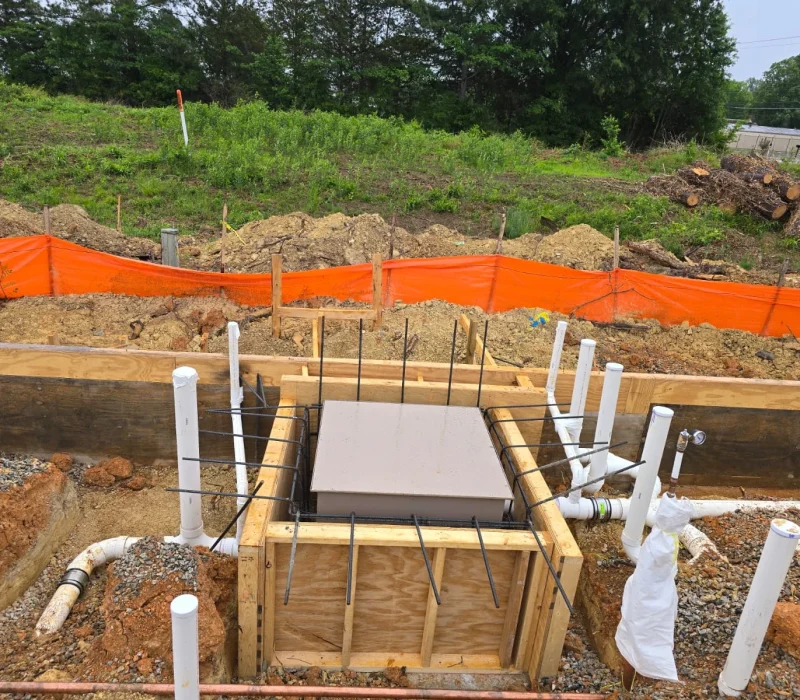
In new construction, the grease interceptor is typically set and connected during the underground rough-in phase — before the slab is poured — making early coordination between the plumbing contractor and the general contractor essential to avoid costly schedule delays.
Installing a compliant grease interceptor is only the first step. Virginia’s code and Richmond’s FOG Control Program impose ongoing maintenance and reporting obligations that food service operators must meet throughout the life of their business.
Staying current with maintenance requirements protects your business from enforcement action and ensures your interceptor performs the function it was designed for.
Grease trap compliance in Virginia is not a bureaucratic formality — it’s a practical requirement that protects your business, your building, and the public sewer infrastructure that every food service operation in Richmond depends on. Getting it right from the start means working with a licensed plumber who understands the code, knows Richmond’s local requirements, and has the experience to size, install, and document your grease interceptor correctly the first time.
At Cordova’s Plumbing LLC, we’ve handled grease interceptor installations for food service facilities throughout Richmond, VA and the surrounding area. We manage the permitting process, coordinate with your construction team, and deliver an installation that passes inspection and keeps your business in compliance from day one.
Opening or renovating a food service facility in Richmond, VA? Contact Cordova’s Plumbing LLC today for a professional consultation on grease interceptor requirements and installation. Licensed, insured, and available throughout Richmond and the surrounding 100-mile area.
Our team is committed to excellence, honesty, and long-lasting results—providing peace of mind for homeowners and businesses alike.
Our licensed and insured team is dedicated to delivering professional results and 24/7 emergency support when you need it most.
When you choose us, you’re not just hiring a contractor. You’re gaining a trusted partner with over 10 years of experience, licensed and insured service, and a commitment to quality and customer satisfaction.